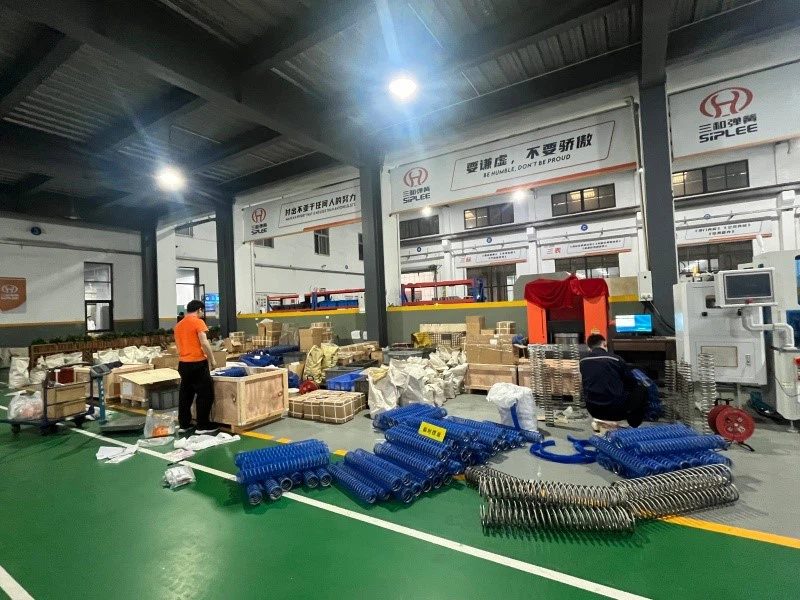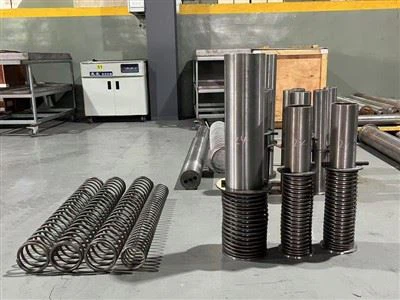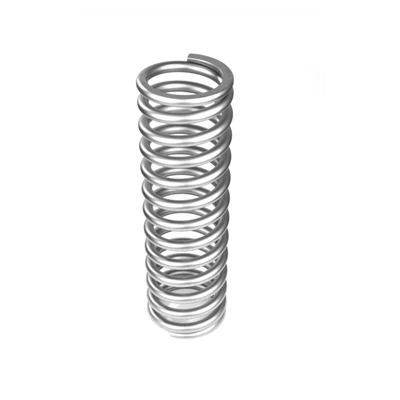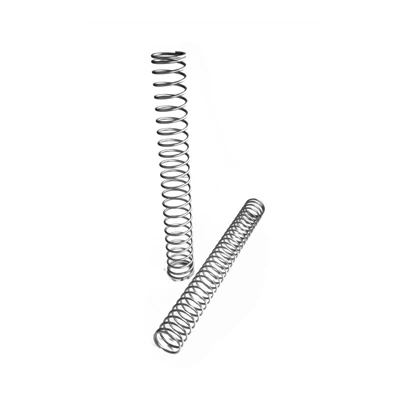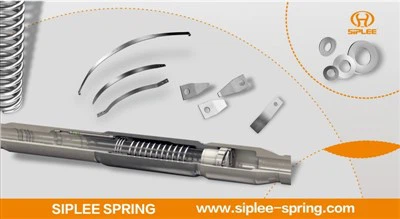
Valve seat springs are core components fitted to all types of valves. They govern the valve opening pressure, valve disc stroke, and sealing stability under closed conditions. The normal operation of check valves, safety valves and other key valve types fully relies on the performance of these springs.
Once the spring fails, the entire valve cannot function properly. Therefore, the selected spring material must deliver excellent high-temperature resistance, long service life, structural stability and corrosion resistance.
These springs are also widely used in high-temperature valve working conditions such as:
- Thermal power plants (boilers, main steam pipelines)
- Petrochemical industries (high-temperature cracking, hydrogenation units)
- Metallurgy (blast furnaces, heating furnaces)
- Waste incineration and high-temperature flue gas systems
The internal fluid or gas medium temperature in such applications exceeds 425°C, placing extremely high requirements on spring materials.
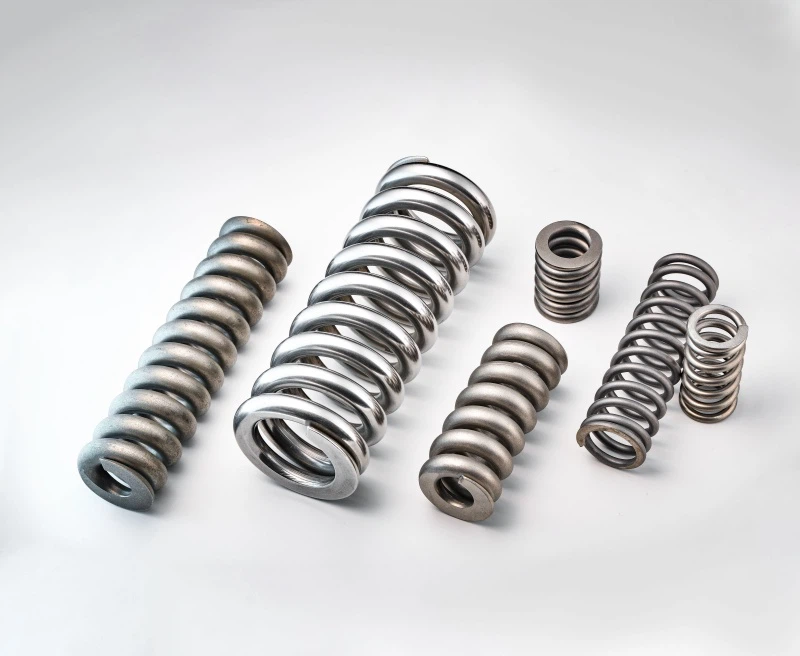
Three mainstream materials are commonly adopted:
- Inconel X-750 (Nickel-based precipitation hardening alloy)
- Inconel 718 (Nickel-based super high-temperature alloy)
- 3J21 (Cobalt-based elastic alloy, equivalent to Elgiloy)
1. Inconel X-750 (Nickel-based precipitation hardening alloy)
It is the most widely used and cost-effective option for high-temperature valve springs.
- Temperature resistance: Continuous operating temperature ranges from 540°C to 600°C; creep rate rises obviously when temperature exceeds 700°C.
- Characteristics: Outstanding corrosion resistance and oxidation resistance; maintains stable elasticity and excellent stress relaxation resistance under high temperature.
- Application: Seat compensation springs for general high-temperature ball valves and gate valves.
- Heat treatment: Optimized elasticity is achieved via solid solution + aging treatment.
2. Inconel 718 (Nickel-based high-temperature alloy)
Compared with Inconel X-750, Inconel 718 is an upgraded grade, specially suitable for high-pressure and ultra-high temperature service conditions.
It features higher mechanical strength, effectively preventing permanent spring deformation under combined high temperature and high pressure.
3. 3J21 (Cobalt-based elastic alloy, equivalent to Elgiloy)
3J21 is a cobalt-chromium-nickel-molybdenum elastic alloy, irreplaceable for severe corrosion working conditions.
- Temperature resistance: Typical service temperature 400°C ~ 450°C, slightly lower than nickel-based alloys.
- Characteristics:
- High elastic modulus and rigidity, providing highly stable elastic performance;
- Superior corrosion resistance, outperforming Inconel series in sulfur-containing, chlorine-containing and strong acidic media;
- Non-magnetic, with excellent physical stability.
- Application: High-corrosion high-temperature media, chemical special valves and precision instrument springs.
Comprehensive Comparison Table:
| Feature | Inconel X-750 | Inconel 718 | 3J21 (Co40CrNiMo) |
| Main Composition | Ni-Cr-Ti-Al | Ni-Cr-Mo-Nb | Co-Cr-Ni-Mo |
| Max Operating Temp. | ~600°C | ~650°C | ~450°C |
| Strength Level | High | Extremely High | High |
| Corrosion Resistance | Excellent | Excellent | Excellent (Acid & Sulfur Resistant) |
| Cost | Medium (Commonly Used) | High | Extremely High |
| Key Advantages | Good overall cost-performance, thermal relaxation resistance | High strength under extreme pressure & temperature | Superior resistance to corrosive media |
Material Selection Guidelines:
- Working temperature below 550°C + conventional mediumPriority: Inconel X-750It is the industry standard configuration, with stable material supply and mature heat treatment process.
- Ultra-high pressure or working temperature above 600°CRecommendation: Inconel 718Its superior mechanical strength avoids permanent spring deformation under high temperature and high pressure.
- Medium with strong corrosion (high sulfur, acidic environment)Option: 3J21 (Elgiloy)Although its temperature resistance is slightly limited, it shows unmatched chemical stability for chemical industrial corrosive working conditions.