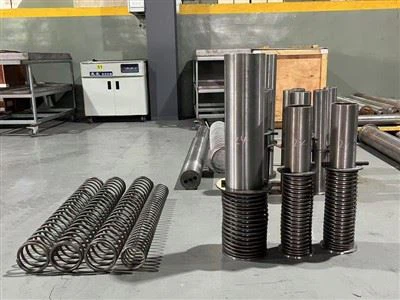
Stainless steel spring is an elastic element that requires corrosion resistance, temperature resistance and non-magnetic use in many industries such as chemical machinery and electronics. Stainless steel springs can produce large elastic deformation when loaded, converting mechanical work or kinetic energy. It is the deformation energy, and the deformation of the stainless steel spring disappears and returns to its original state after unloading, and the deformation energy is converted into mechanical work or kinetic energy.
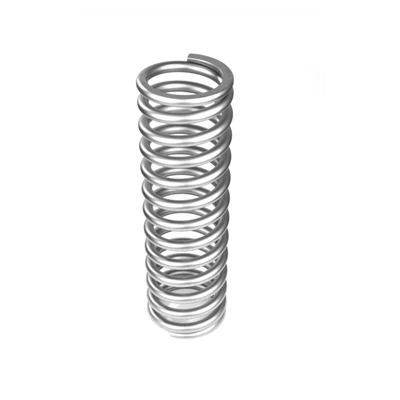
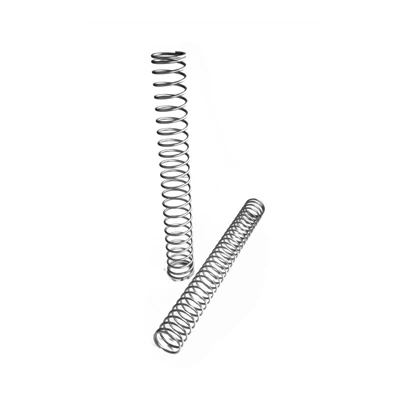
According to the nature of the force, stainless steel springs can be divided into tension springs, compression springs, torsion springs and bending springs. According to the shape, they can be divided into disc springs, annular springs, leaf springs, coil springs, truncated cone scroll springs and torsion bar springs. Wait. Ordinary cylindrical springs are the most widely used because of their simple manufacture, various types of springs according to the load conditions, and simple structure. Generally speaking, the spring should have high elastic limit, fatigue limit, impact toughness and good heat resistance and corrosion resistance, etc. The commonly used materials are referred to above. The cold rolling method is commonly used for spring wires with a diameter of less than 20 mm. After the stainless steel springs are made, they should be subjected to strong pressure or polishing treatment, which can improve the bearing capacity and surface finish of the spring.